
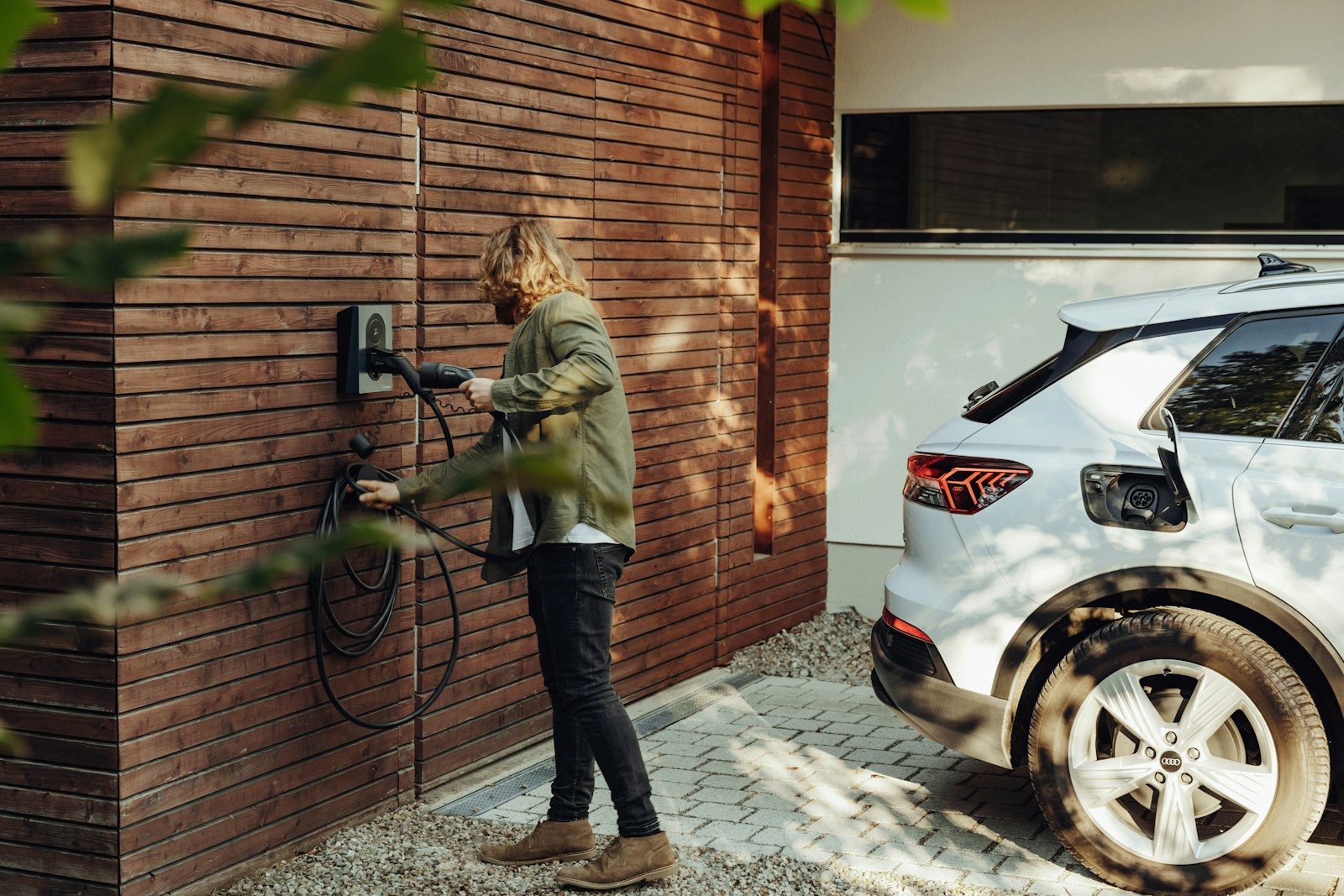
Adding an electric vehicle (EV) charger to your home in Toronto is an exciting step, but it’s not as simple as plugging in a new appliance. To keep your family, property, and vehicle safe, you must use a licensed electrician who understands all local regulations and safety requirements. This isn’t just a recommendation – it’s the law, and for very good reasons. Skipping the pro can cause fire risks, void your home insurance, and even damage your EV.
DIY Installation: Not an Option for Toronto Homeowners
Many people first think about installing their EV charger themselves to avoid labor costs. While this might seem tempting, Toronto and the rest of Ontario have strict requirements – any work beyond plugging a simple charger into a standard outlet must be done by a licensed professional. Most EV owners want the faster Level 2 chargers, which need a dedicated 240-volt circuit and often upgrades to the electrical panel. Installing these is far beyond what’s allowed for DIYers or unlicensed handymen.
It’s also a mistake to assume that any contractor can do the job. General contractors are not licensed for electrical work, and even regular electricians may not be up to date on EV charging systems. Working with a licensed electrician ev charger toronto ensures you’re hiring someone with the right expertise and qualifications for the unique demands of EV charging.
Safety Hazards From Unqualified Installs
The reason these rules are so strict comes down to safety. Mistakes by untrained installers can cause fires, electric shocks, and even serious damage to your vehicle. Even something as basic as an incorrectly installed outlet can start a fire, putting your entire home at risk. Because Toronto’s electrical system is older and the power load continues to rise, this is no small matter.
Adding a substantial 240-volt circuit without knowing your system’s limits can cause overloads – or worse. Licensed electricians know how to inspect your electrical panel and set up extra breakers to reduce overheating or other hazards. Every EV charger installation must also pass an inspection by the Electrical Safety Authority (ESA). If you try to do it yourself, you can’t schedule this inspection, so your house won’t be up to code. This leaves you exposed when it’s time to make an insurance claim or sell your home.
Insurance, Permits, and Your Investment
Beyond physical danger, there are major legal and financial consequences if you ignore the rules. In most cases, you’ll need a permit to install your EV charger. Anytime a new circuit or hardwired system gets added, a permit is required. Not getting one is a common mistake – one that could void your homeowner’s insurance. If something goes wrong and your installation isn’t permitted, your insurance provider might refuse your claim, leaving you on the hook for the entire loss.
The permit stage isn’t just red tape; your installer handles this important step alongside the actual work. This guarantees everything’s up to code and easy to find for home records later on. When you want to sell your house, real estate agents and buyers want proof your electrical work was permitted and inspected. Trying to cut corners can cost you down the line, causing delays, extra inspections, and even fines.
Why You Need a Specialist, Not Just Any Electrician
One thing many people overlook is that EV charger installation isn’t just basic electrical work. While all licensed electricians are trained to handle wiring, not everyone has experience with the specific details needed for EV chargers. Different charger brands – like Tesla, ChargePoint, and others – have unique installation requirements. For example, the wire size, voltage, and configuration all matter and must match the manufacturer’s specifications.
If the person doing your install doesn’t know these details, you might end up with a charger that doesn’t work properly, triggers safety shut-offs, or even voids the product warranty. A specialist makes certain everything from the paperwork to the panel is set up correctly, making sure you don’t run into trouble later.
Common Problems When Skipping the Professional
Trying to save a few bucks by cutting out a licensed electrician can quickly become a nightmare for EV owners in Toronto.
- Non-Working Charger: Many DIY or untrained installs result in chargers that won’t work at all, either because the wrong circuit breaker was used or the power wasn’t matched correctly to your car’s requirements. This ends in frustration – and another call to a pro.
- Destroyed Warranties: Most EV and charger brands demand professional installation. If your charger breaks or your car gets damaged because you installed it yourself, the company won’t cover repairs under warranty, costing you much more.
- Insurance Refusals: Probably the biggest risk – if you have a house fire due to an unpermitted charger, insurance may not help. Many Ontario insurance companies now double-check that all electrical work is permitted.
- Difficult Home Sales: If you try to sell your home and inspectors notice an unpermitted charger, you can run into delays, fines, or even have the sale blocked until you pay for retroactive inspections and permits. In Toronto’s competitive market, that’s a huge problem.
Toronto’s Unique Rules for EV Charger Setup
Toronto strictly follows the Ontario Electrical Safety Code. With the city’s dense population and more EVs every year, the electrical grid is closely monitored. The ESA and local utility companies check every new installation, looking to prevent outages and fires. That’s why every job needs ESA inspection and approval.
Also, if you live in a multi-unit building or condo, there are extra zoning and building regulations you’ll need to follow. Only a licensed electrician who works in Toronto will know how to handle permits and approvals for these more complex situations.
How to Install an EV Charger the Right Way
Here are the main steps for a safe and legal EV charger installation in Toronto:
- Find the Right Electrician: Look for someone who specializes in EV charger installations, not just anyone with an electrician’s license.
- Site Assessment: Let the professional check your electrical panel and calculate the extra load required by your charger and car.
- Handle Permits: Make sure your electrician takes care of the permit paperwork before starting work.
- Safe Installation: The electrician will put in the proper circuit, breaker, and charger, matching all manufacturer instructions.
- Book Your ESA Inspection: The job isn’t finished until it’s inspected and approved by the ESA.
- Protect Your Warranty: Once approved, your warranties remain intact, giving you peace of mind.
If you want a trusted way to connect with certified installers in Toronto, licensed electrician ev charger toronto is a leading resource for homeowners.
Why It Pays to Choose a Licensed Electrician
The price difference for professional installation is small when you compare it to the risks of going DIY. In Toronto, only a licensed electrician can ensure your EV charger is safe, efficient, and code-compliant. You’ll avoid voiding your insurance, keep your home marketable, and ensure your charger works perfectly – every time.
Trying to take shortcuts only leads to expensive headaches. Whether it’s a Tesla Wall Connector or any Level 2 charger, the safest way forward is simple: hire a pro, get a permit, and schedule an ESA inspection. That’s the best way to protect your investment and charge your vehicle with confidence.
