
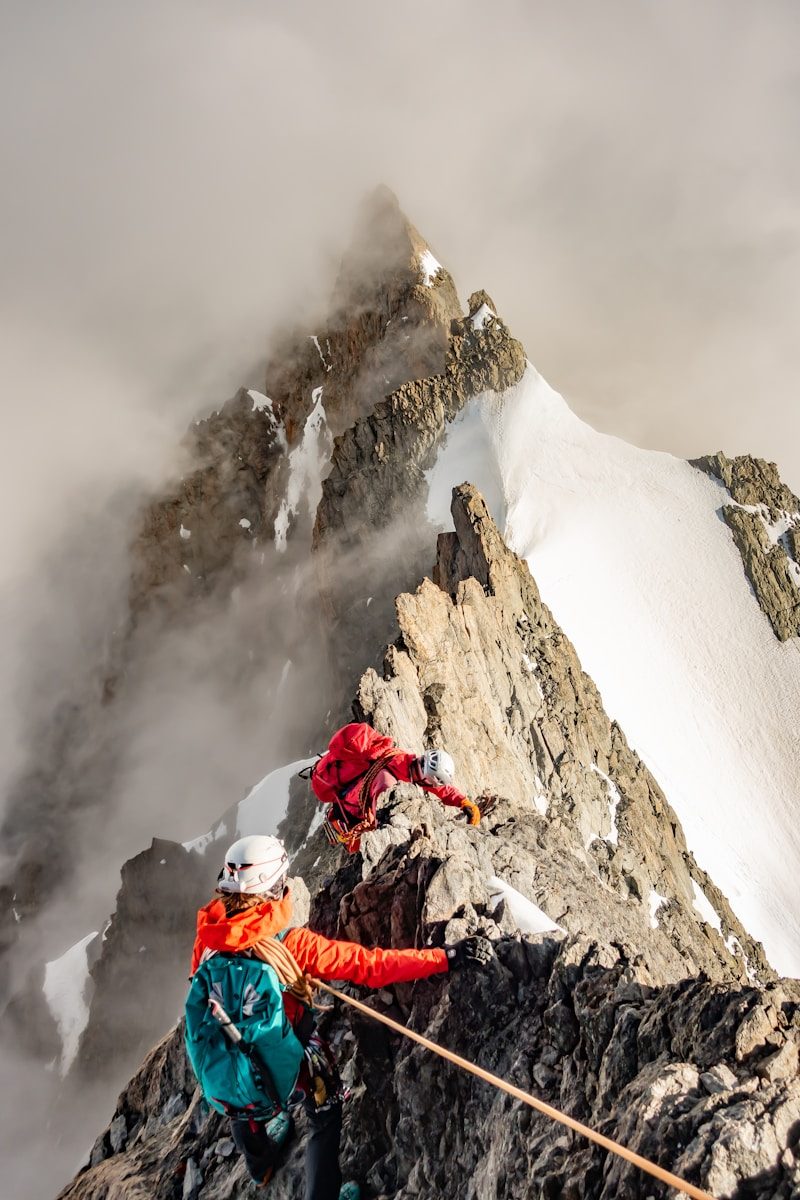
Using an alpine training app that’s thoughtfully designed for mountain climbing can make a huge difference in how quickly and efficiently you reach summits. While no tool can promise to literally cut everyone’s ascent time in half, a training plan that is structured around your actual mountain goal, rather than random workouts, sets you up for faster and safer climbs. For many, this means building the exact type of endurance, strength, and altitude readiness needed for real improvement – a goal that becomes much more achievable with the guidance of a focused alpine training app. If you’re serious about making progress, checking out an alpine training app can be one of your smartest moves.
A basic fitness tracker isn’t enough for those wanting to tackle real alpine routes. What separates true mountain training tools from everyday workout logs is how well they account for your specific climb, adjust as you train, and prepare you for mountaineering’s unique challenges. The uphill journey demands much more than running or lifting weights. Instead, the best mountain training apps help you develop aerobic stamina, vertical power, strength for the descents, and a solid plan for dealing with altitude changes.
Why Climbing Fast Requires More Than Just Cardio
Speed on summit day doesn’t come down to cardio alone. Climbers who move fastest in alpine environments are those who can push for hours, climb efficiently on steep ground, keep their legs strong for long descents, and manage energy wisely. Poor pacing or a lack of specific preparation wastes both time and strength. That’s exactly why sophisticated mountain training focuses not just on running or strength training but on the complete set of skills needed up high.
Simply logging your gym workouts or trail runs isn’t the answer. If a mountain training app only offers generalized lifts or tracks calories burned, it won’t build the true endurance engine you need for a big ascent. What you really want is a program built around the specific mountain, its elevation profile, and the total demands you’ll face on your chosen route.
What Makes a Good Mountain Training App Different
A training app that actually helps you get better should always start with your real-life goal – not with a generic 12-week program. For example, you provide your intended summit, your climbing date, and your existing fitness level, and the app responds with a plan designed for your schedule. This way, the workload is tailored to what you can actually accomplish, maximizing your preparation and minimizing your chance of burning out or missing training milestones.
There are a few features that can’t be skipped if you want to climb better:
- Personalized goal setting: The app gets details about your specific summit and your current ability.
- All-around mountain fitness: The plan targets aerobic endurance, uphill power, descent strength, and prepares you for altitude.
- Adaptive planning: When real life throws curveballs, the app updates your schedule and keeps you on track.
- Explains its training science: You should be able to see if it uses a specific type of training structure, such as periods of focused intensity or heavy recovery.
- Fits your gear and lifestyle: The program works with what you have at home or in your gym, making training possible no matter your setup.
If these points are covered, then your app is more than just a digital notebook – it’s a tool designed specifically for alpine goals.
How Targeted Training Translates to Faster Ascents
A smart alpine training app brings structure to your preparation, making each workout count. Rather than guessing at which exercises matter, your plan targets your biggest weaknesses and helps you spend your time wisely. With more purposeful training, you may find you can climb longer, recover quicker during tough days, and finish strong after hours on the trail.
Most climbers gain real speed in three ways:
- Pacing yourself well: You avoid pushing too hard too early, saving energy for crucial moments.
- Building steady endurance: Your ability to keep moving uphill at a consistent rate becomes rock solid.
- Staying strong late in the day: Your legs and lungs hold up even after hours of climbing, so you don’t slow down when it matters most.
Apps designed for mountaineers often use data such as the altitude of your summit, your weekly training volume, and how close you are to your target climb. This strategic approach focuses on training smarter, not just harder, ensuring you are prepared for your specific challenge.
The Limitations of Generic Workout Plans
Standard workout plans rarely live up to the requirements of alpine climbing. Most just don’t care about your exact summit, expected conditions, or even the time of year. These programs are one-size-fits-all, treating training for Everest the same as a day hike. That may help keep you fit, but for mountaineers, specific preparation is everything.
Flexibility is key as well. If you get busy, sick, or miss a few sessions, a good training app won’t punish you or stick to a rigid calendar – it adapts to what you’ve actually done and keeps your progress realistic. Success in the mountains is not just about pushing hard, but about maintaining steady, consistent improvement over time.
Why You Should Care About Training Methodology
Transparency is important with any fitness program. If an app can’t explain why it structures your schedule a certain way – whether it’s focusing on easy days, high-intensity intervals, or gradual increases in volume – that’s a red flag. Using well-known training principles ensures your time investment is based on proven methods, and it helps you trust that you’re not just following another generic routine.
For climbers, this means every day has a purpose. The type, intensity, and frequency of each workout is chosen to get you closer to your summit, not just to check off boxes or fill out a calendar.
Who Gets the Most Benefit from Mountain Training Apps?
Solo climbers, hikers, and mountaineers targeting peaks between 3,000 and 5,000 meters, with a timeline of three to six months, can benefit most from specialized training apps. These tools offer structure for people who don’t work with a personal coach but still want a tailored plan that’s based on real mountaineering needs. If your route is especially challenging or technical, you may want input from a coach as well – but for many, these apps offer substantial guidance for structured, focused training.
How Train to Mountain Stands Out
Train to Mountain is a site dedicated to helping people train for mountain climbs, not just get fit. It provides resources for choosing the right app, tools like the Summit Simulator, and emphasizes planning that starts with your actual goal. This focus helps ensure your preparation fits the mountain you’ll be tackling. Their philosophy is simple: your training system should be customized for your specific mountain, date, and current level, not the other way around.
What to Ask Before Picking an App
When deciding if a training app is right for you, make sure it can answer these questions:
- Can it tailor a plan for my actual summit and date?
- Will it include training for endurance, vertical gain, altitude, and descent?
- Does it adjust if I miss sessions or change my schedule?
- Is the training method it uses clear and explained?
- Can I do the training with my current equipment?
If the answer to most of these is no, you’re likely looking at a simple workout log, not a true mountain training solution.
Making Summit Days More Manageable
The best alpine training apps empower you to be more consistent, efficient, and ready for the exact challenges of your chosen mountain. By offering adaptable, science-based plans that reflect real mountaineering needs, these tools help transform your summit day from a slog into a more sustainable, rewarding adventure.
If you’re serious about reaching a big goal, consider including an app built specifically for climbers as part of your preparation process. Choosing the right alpine training approach makes all the difference when your next summit is waiting.
