
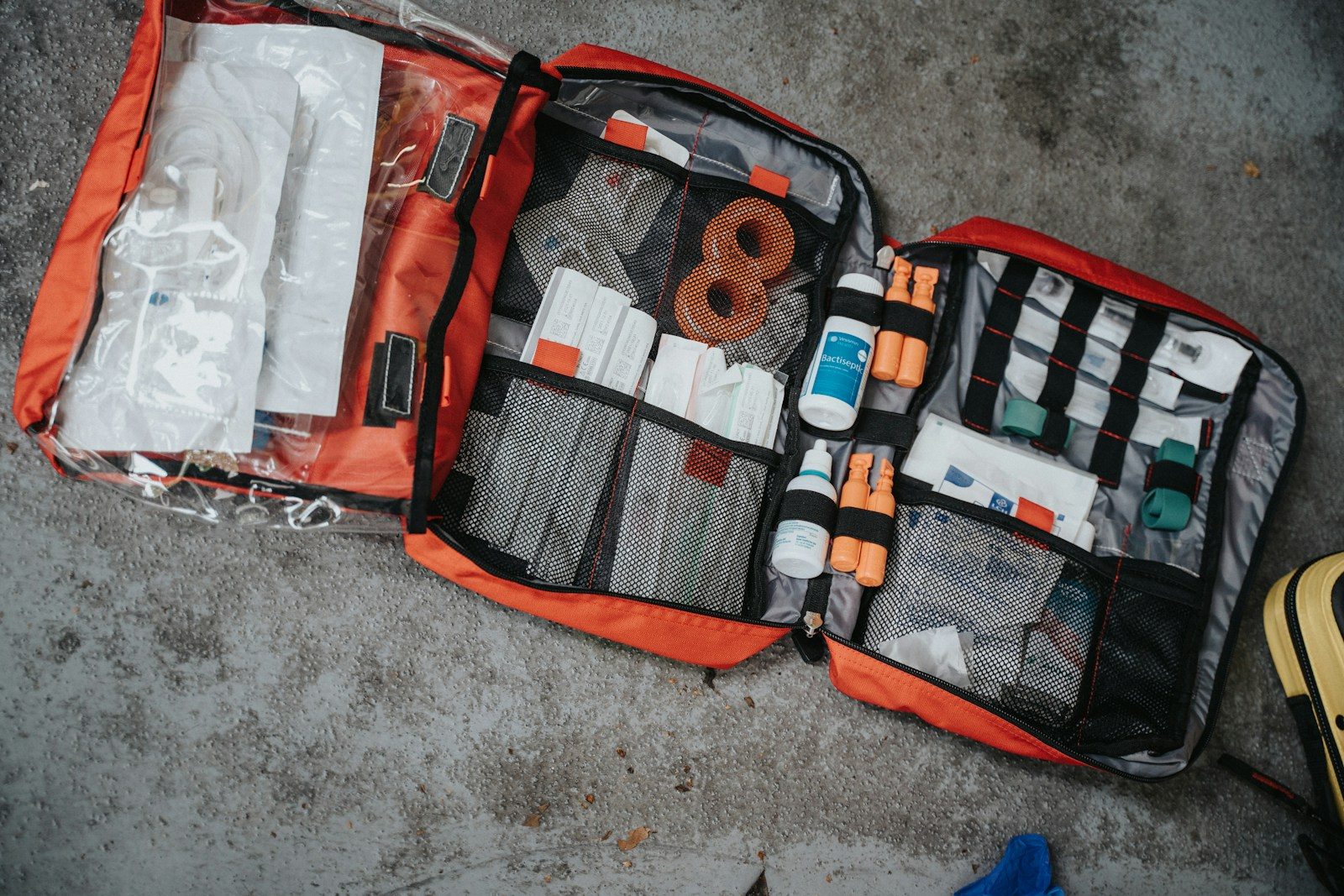
When emergencies hit, most people quickly assemble what they think is a proper emergency kit – bottled water, packed food, and a flashlight usually top the list. But often, people don’t realize that these basic items only scratch the surface. Standard kits usually miss items that could make a big difference when you truly need to keep yourself and your family safe, healthy, and comfortable.
After digging through many survival guides, talking to experts, and learning from actual disaster scenarios, this article highlights some unexpected but vital things to pack. Whether you’re bracing for a few days without power or preparing for a longer disruption, these overlooked tools and supplies are worth adding to your kit.
Why Most Emergency Kits Miss the Mark
Many people trust a typical list: water, food, basic first aid, and lighting. While everyone should have those, true Emergency Preparedness involves more than just the minimum. The real test comes when you’re living through the stressful chaos of a disaster. That’s when you notice what’s missing – often some surprisingly simple items that could make life easier.
A complete kit should help not just with survival, but also with staying clean, comfortable, and able to function for days or weeks if needed.
10 Most Forgotten Emergency Kit Items
1. Manual Can Opener
It’s amazing how often people stock up on canned food but forget that they’ll need a can opener if there’s no power. A small, classic manual model or even a compact military P-38 opener weighs almost nothing and fits anywhere. Imagine being hungry yet unable to open your food because you overlooked this little tool.
It’s wise to have two – keep one at home and stash another in your car or go-bag just in case.
2. Hygiene and Sanitation Gear
One uncomfortable reality: if the water stops running, so does your toilet. Many kits don’t include good sanitation solutions, yet staying clean is crucial for your health and morale.
At a minimum, pack toilet paper and hand sanitizer. Add strong trash bags for waste, a sturdy bucket or camp shovel for makeshift toilets, gloves (disposable and sturdy), and disinfectant wipes. Remember feminine products, baby diapers, and anything your family routinely needs. Keeping germs at bay after a disaster is just as important as making sure you have food.
3. Cloth Items: Towels, Bandanas, or Handkerchiefs
Never underestimate a simple square of fabric. A towel, bandana, or handkerchief can become a bandage, a dust mask, sun protection, or even a way to signal for help. You can use it for cleaning, carrying things, or blocking smoke. This small, lightweight item is endlessly useful in stressful situations.
4. Phone Charger (Battery or Solar)
Our phones are lifelines for contacting family, emergency services, and getting important updates. Most people only have one regular wall charger, which is useless in a blackout. Invest in at least one battery-powered or solar charger so you can charge your phone anywhere. A solar or crank-powered one is perfect because it keeps working even during long outages.
Just be sure your backup power source is pre-charged and ready to go at all times.
5. Heavy Work Gloves
Work gloves rarely make it into emergency kits, yet they’re a life-saver when clearing debris, moving broken glass, or handling materials you’re not used to. By protecting your hands, gloves help you avoid cuts and infections. Choose sturdy leather gloves or specialized gloves for whatever work seems likely in your area.
6. Multi-Tool or Good Knife
Having a multi-tool or sturdy knife can get you out of countless jams. You might need to fix things, open boxes, cut wires, or even defend yourself. While flashlights and bandages are important, don’t ignore the value of a versatile tool.
7. Prescription Medications and Personal Medical Devices
While most people remember ibuprofen or band-aids, many forget their life-preserving medications. If you need daily meds, put an extra supply in your kit. Don’t leave behind inhalers, EpiPens, diabetic equipment, or any device you rely on. Keep at least a month’s worth of crucial medications, plus basics like allergy meds, painkillers, and something for stomach issues.
Ask your pharmacist how to safely store an emergency supply and check that your prescriptions are up to date.
8. Paper Copies of Important Documents
Phones and computers may not be available in an emergency. To stay prepared, have paper copies of essential documents somewhere you can grab them. Include IDs, insurance information, medical records, rental or home papers, a list of contacts, and even photos of family valuables. Store them in a waterproof envelope in your kit and consider keeping duplicates in a secure location outside your home.
9. Personal or Specialty Items
It’s easy to buy an “out of the box” kit and think you’re set. However, everyone’s needs are different. If you wear glasses, keep spares. Those with hearing aids need extra batteries. Pets require their own food and leashes. Babies need formula and diapers. If someone has special dietary needs or allergies, pack for that too. Your kit should be unique to your house, not just what a store sells.
10. Items That Comfort and Reassure
During a crisis, small things can bring comfort and keep spirits high. Pack a favorite snack, a deck of cards, or a simple puzzle book. For kids, a cuddly toy or their favorite book can help them feel safe. These items might seem like luxuries, but emotional well-being is part of making it through tough times.
How to Put Together a Truly Useful Emergency Kit
The strongest emergency kits aren’t made from checking off a generic list – they’re put together with care for your family, your lifestyle, and where you live. Start with essentials like food, water, first aid, lighting, and a communication plan. Then add these overlooked items to fill the gaps.
Check your kit twice a year. Swap out expired foods, make sure batteries still work, and update crucial paperwork. That way, when you need your kit, it isn’t just a box taking up space – it’s a life-saver you can actually rely on.
Being truly ready means looking beyond the basics to what will help you stay healthy, sane, and self-sufficient – no matter what happens. Preparing today could make all the difference when trouble strikes.
