
Exploring new places can be an amazing experience, but it’s important to remember that traveling always comes with some risks. Being prepared with self-defense knowledge is just as important as packing your bags or planning your itinerary. Choosing to learn some practical self-defense steps helps ensure that your trips remain fun and safe, even if you face an unexpected challenge. This article covers simple and straightforward self-defense strategies any traveler can use to protect themselves on their journeys.
Building Good Awareness While You Travel
The first line of defense on the road is understanding what’s happening around you. Staying aware prevents trouble before it starts. This means keeping your head up, watching who is nearby, looking for open exits or places of safety, and paying attention to anything unusual. Try to avoid burying your face in your phone or wearing headphones in busy or unfamiliar areas since these distractions make it harder to notice problems. When people stay alert, they usually spot trouble early and have enough time to change their plans and avoid risks.
Learning about your destination before you arrive also helps. Each place has its own culture and norms, and knowing the local way of doing things—including common scams—can make you a step ahead and less likely to be caught off guard.
Using Your Words and Body Language to Stay Safe
Not every situation calls for physical defense. Speaking strongly and showing confidence can prevent some dangers right at the start. For example, setting a clear boundary by saying, “No” or “Go away” in a strong, calm voice often stops unwanted attention. The way you walk can also send a message. Moving with purpose, making eye contact, and standing tall show that you are confident and paying attention. People who look unsure or lost are more likely to be targeted.
Practicing a calm mindset—even when under stress—makes it easier to stay collected and show you won’t be easy to take advantage of. Simple habits like deep breathing can help you keep your cool and handle awkward or tense moments wisely, which discourages problems from escalating.
Learning Simple Physical Defense Moves
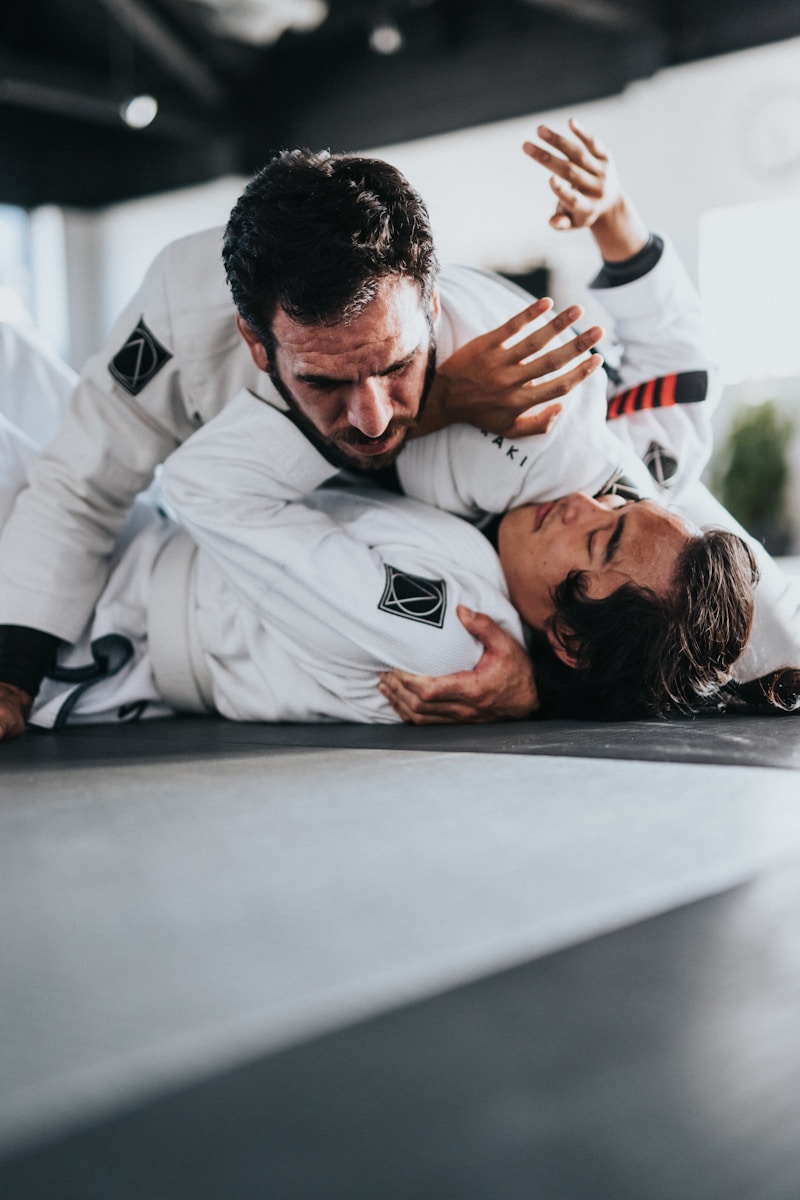
Sometimes, danger can’t be avoided with awareness or words alone. That’s when knowing a few quick self-defense techniques is important. Travelers can benefit from basic moves that don’t require a lot of strength. The goal is never to fight for long, but to create a chance to escape.
A few good techniques to remember:
- Use a strong punch with your whole body to surprise the attacker and get away.
- A quick kick to the groin can stop someone long enough to run.
- Hit vulnerable areas like the nose or throat using your palm or elbow for more effectiveness.
- Learn basic ways to get out of common grabs or holds, focusing on using your body weight and leverage.
Don’t try to win a fight; focus on doing what helps you get to safety as quickly as possible. Training these moves helps you remember them if needed.
Practical Tools and Legal Considerations
Many travelers bring simple items that can help in a tough situation. Whistles, personal alarms, or even sturdy pens can catch attention, distract, or provide a moment to escape. Sometimes regular items, like a heavy keychain or a metal water bottle, can be useful for protection.
Before packing any self-defense tools, check the laws at your destination to avoid trouble at customs or with police. Also, practice using what you bring—having a tool is no good if you don’t know how to use it when nervous.
Safe Habits for Everyday Travel
Basic safety habits go a long way and often prevent trouble before it starts. Try to travel with friends or in a group, especially when exploring unfamiliar areas or walking at night. Stick to main streets that are well-lit. Keep your money, passport, and electronics out of sight in secure places, and don’t flash valuables.
Plan your routes ahead of time and choose trusted transportation methods. Don’t accept rides from strangers, and avoid risky shortcuts. Staying alert—especially at parties or when drinking—can help you make better choices and react faster if something does happen. Prepare a plan for what to do in emergencies and have important phone numbers saved on your phone and written on paper.
Keeping Skills Fresh and Mindset Strong
Just learning self-defense isn’t enough—you should practice regularly to stay sharp and confident. Signing up for a self-defense class before a big trip can build muscle memory and keep you prepared. Many organizations now offer online lessons or video tutorials, so you can learn on your own schedule.
Practice helps you stay calm and focused. This boosts your ability to quickly spot danger, defend yourself if needed, and recover from shock more easily. A steady routine of Self Defense Training encourages a protective attitude that also helps in daily life at home or abroad.
Ready for Safe Adventures
Traveling can be safe and fun with a little bit of planning and preparation. Being ready means more than just memorizing moves—you need to prepare your mind as well as your body. Stay alert, carry what you’re allowed to, and practice acting with confidence. Adopt good daily habits wherever you go, and you’ll set yourself up to handle challenges and enjoy your travel adventures with peace of mind.
Training for real-world situations doesn’t have to be daunting. There are many resources, including classes and online material, made just for travelers who want to protect themselves. A small investment of time now can lead to much safer and more enjoyable trips in the future.
